
Vehicle Maintenance Guide
Vehicle Maintenance Guide to Maximize Your Vehicle's Lifespan
About This Guide
Vehicle manufacturers often provide maintenance schedules that seem straightforward and convenient, but they don't always reflect real-world driving conditions. These schedules are often designed to make vehicles appear low-maintenance by shifting from regular mileage intervals to vague "check and replace as needed" guidelines.
Most manufacturers only address "standard" driving, overlooking the impact of short trips, stop-and-go traffic, winter conditions, towing, and extended idle times - all of which significantly affect a vehicle's maintenance needs.
We take into account how your vehicle is actually driven and offer service recommendations that maximize reliability and safety while protecting your investment for the long haul.
Before assembling this information, we consulted with industry experts to understand the true maintenance needs of modern vehicles. Their consensus was clear: fluids still require regular attention, and not much has changed - except how manufacturers present their schedules.
Our Approach
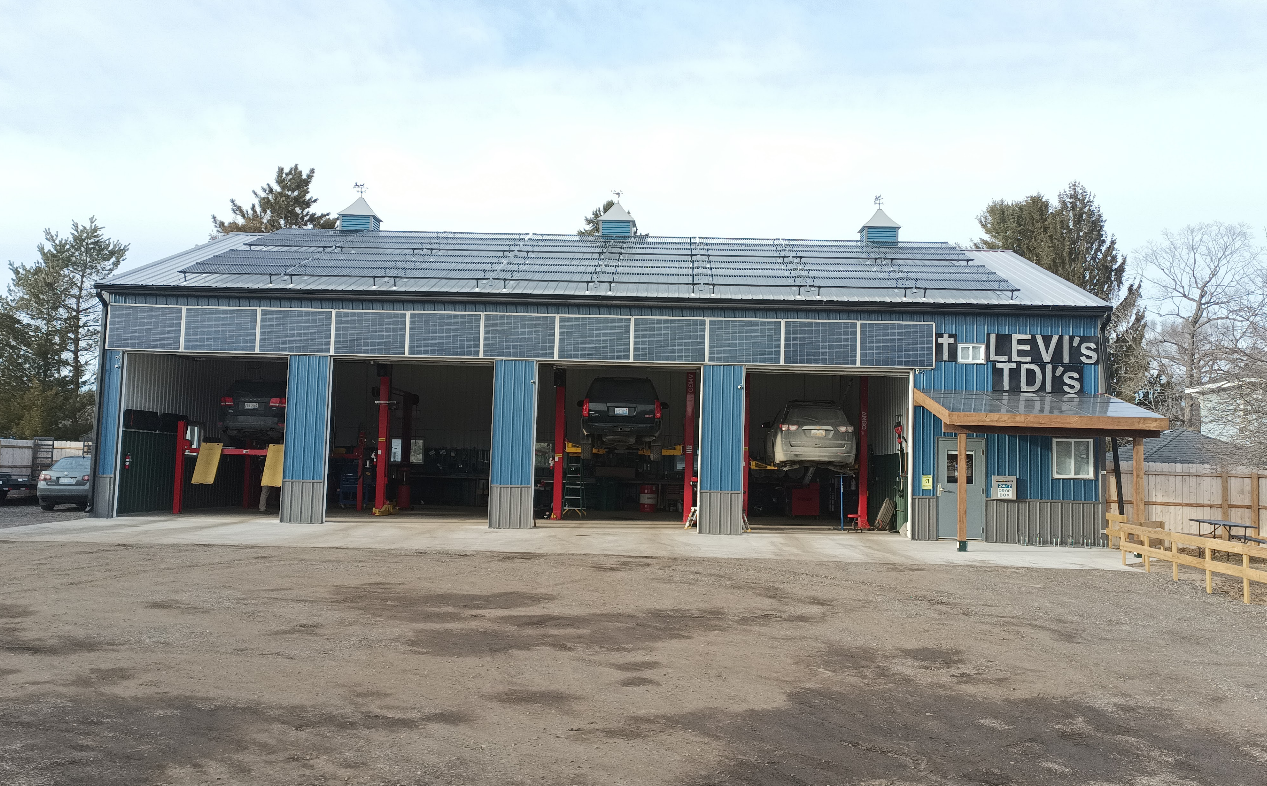
At Levi's TDI's we go beyond the basics, providing maintenance recommendations designed to suit the way you actually drive. By servicing your vehicle at regular intervals, you'll improve performance, increase efficiency, and avoid costly repairs down the road.
Protect your vehicle's value and ensure your safety - schedule your service with us today.
Contact Information
- Phone: 231-907-9134
- Address: 208 W 2nd St, Hersey, MI 49639
- Email: levistdis@gmail.com
- Website: levistdis.com
- Find us on Facebook and Google
Maximizing Your Vehicle's Lifespan
Disclaimer: Some vehicles may require a stricter maintenance schedule. This guide is designed to help extend longevity and applies to more than 90% of the vehicles we service.
Engine Oil
Interval - 5K gas / 7.5K diesel
Engine oil is the lifeblood of your engine, keeping its moving parts lubricated and running smoothly. Over time, oil breaks down and becomes contaminated with debris and sludge. While some manufacturers promote longer intervals, these recommendations don't always provide the best protection for the long haul. Even hig-quality synthetic oils have limits; after a point, they lose their ability to protect your engine from wear.
Transfer Case and Differential Fluid
Interval - 50K
In AWD or 4WD vehicles, transfer case and differential fluids distribute power and keep the drivetrain running smoothly. These fluids break down over time, losing their ability to protect critical components. Changing them regularly prevents gear wear, bearing failure, and expensive repairs while keeping the vehicle performing at its best.
Brake Fluid
Interval - 2 Years
Brake fluid absorbs moisture, reducing its effectiveness and increasing the risk of brake failure. This is especially important in humid climates or stop-and-go driving. Replacing brake fluid regularly ensures your brakes perform reliably and protects hydraulic components from moisture-related damage.
Transmission Fluid
Interval - 50K / 40K (DSG)
Transmission fluid lubricates and cools the transmission, ensuring smooth shifting and longevity. Over time it breaks down, causing wear. Neglecting replacement can lead to harsh shifts, slippage, and costly transmission failure.
CVT Transmission Fluid
Interval - 30K
CVTs operate differently than traditional automatics, using belts and pulleys instead of gears. CVT fluid degrades more quickly due to constant tension. Regular replacement helps prevent wear, belt slippage, and transmission failure.
Spark Plugs
Interval - 60K-100K
Spark plugs power the ignition system. Over time they wear and strain the ignition coils. Worn spark plugs cause misfires and lower fuel economy. Extended service intervals can also cause plugs to seize from carbon and corrosion buildup. Changing spark plugs on time can save thousands in repairs.
Cooling System
Interval - 60K or 5 Years
Coolant regulates engine temperature and protects against overheating, freezing, and corrosion. As it degrades, it loses effectiveness. Regular coolant service keeps the engine cool and prevents breakdowns. Replacing coolant also helps prevent leaks caused by corrosive deterioration.
Engine and Cabin Air Filters
Interval - 12 Months
Cabin air filters clean air circulating inside the vehicle and can clog or develop mildew over time. Engine air filters work similarly but supply the engine; when dirty, they reduce power, fuel economy, and airflow. Regular replacement maintains performance and comfort.